My Favorite Project: Fish Hatchery Modernization
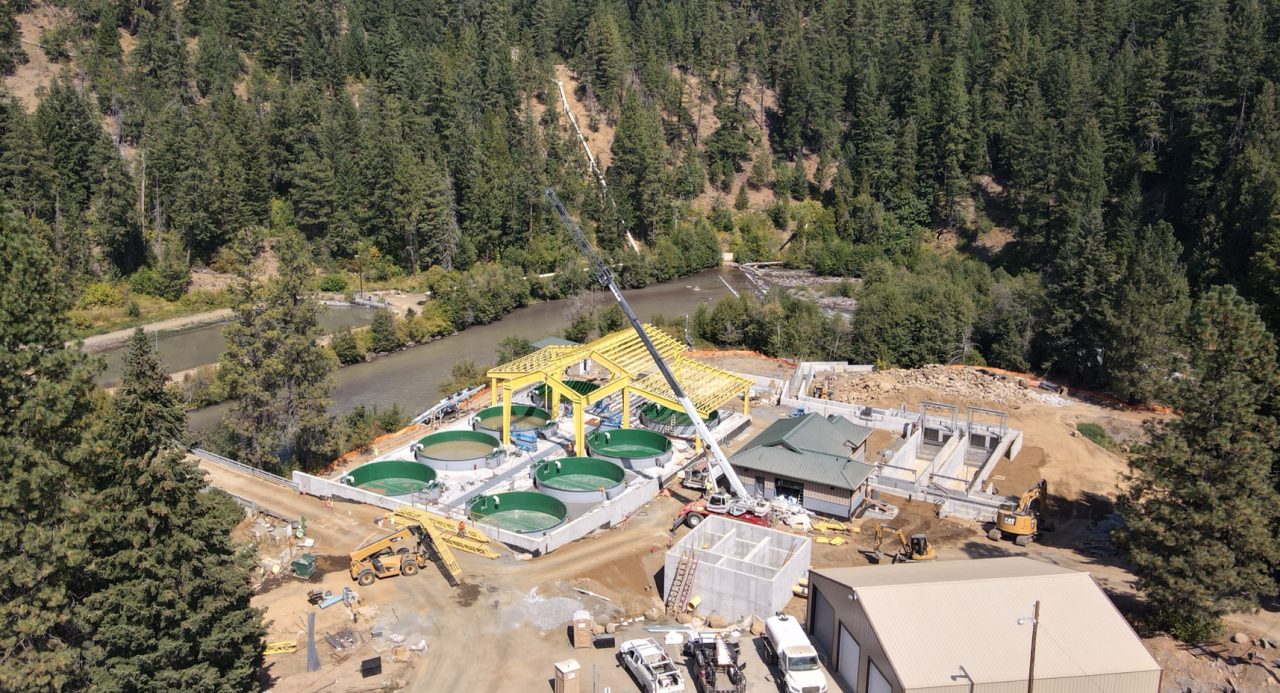
For Ellisyn Heitz, Staff Engineer in Schnabel’s Boise office, working on fish hatcheries is more than an interesting engineering specialty. It is an opportunity to contribute to something she has cared about since childhood.
Growing up in Washington, Ellisyn had teachers who helped her understand the important role salmon play in the environment. This enthusiasm stayed with her and eventually influenced the direction of her engineering career.
“I knew I wanted to find a way to contribute to salmon conservation and make a meaningful impact,” Ellisyn said. “As I explored career paths that aligned with those interests, I discovered fish hatchery engineering.”
That path ultimately led her to Schnabel—and to a passion for working on fish hatchery modernization projects.
From an Interest in Salmon to Aquaculture Engineering 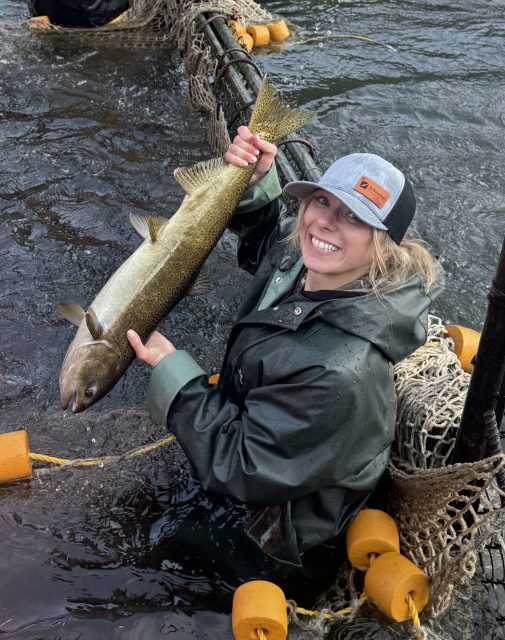
Ellisyn joined Schnabel’s Seattle office as an intern in May 2025. After learning that Schnabel’s Boise, Idaho office specialized in aquaculture engineering, she transferred there while finishing her senior year at Boise State University and joined the team full-time after graduating in May 2026.
“I was really fortunate that Schnabel gave me the opportunity to follow the work I was interested in,” Ellisyn said. “Once I learned there was a group in Boise focused on hatchery projects, it felt like a natural fit.”
A Team with Deep Fisheries Experience
Schnabel’s fisheries practice brings together professionals with decades of experience in hatchery master planning, fish passage and screening facilities, and hatchery design. Centralized out of our Boise office, our fisheries team has worked with tribal entities, utilities, and resource agencies on projects across the nation involving fish protection, hatchery modernization, and a range of incubation and rearing systems.
For Ellisyn, joining the Boise office meant working alongside engineers with deep experience in both the biological and infrastructure considerations that shape hatchery design.
HATCHERIES 101
Fish hatcheries help support natural populations by breeding, incubating, and rearing fish through their early life stages before releasing the fish into natural waterways.
The specific function and configuration of each facility is unique, but generally conservation hatcheries aim to mitigate the effects of dams and other infrastructure by restoring or supplementing native fish populations. Throughout the country, these facilities support recreational and commercial fisheries and work to conserve threatened and endangered species.
Modernizing Hatcheries
Designing and modernizing a fish hatchery requires the integration of hydraulic, mechanical, structural, electrical, and civil engineering with biological criteria, regulatory requirements, fish behavior, and the day-to-day needs of hatchery staff. Bringing these different considerations together is what allows a highly specialized facility to operate reliably and support its intended production goals.
Through Ellisyn’s time at Schnabel, she has participated in the design of hatchery modernizations in South Carolina, Idaho, California, and Washington. Each facility that Ellisyn has worked on was built prior to 1970 to improve local fisheries and help mitigate the impacts of dams on fish populations.
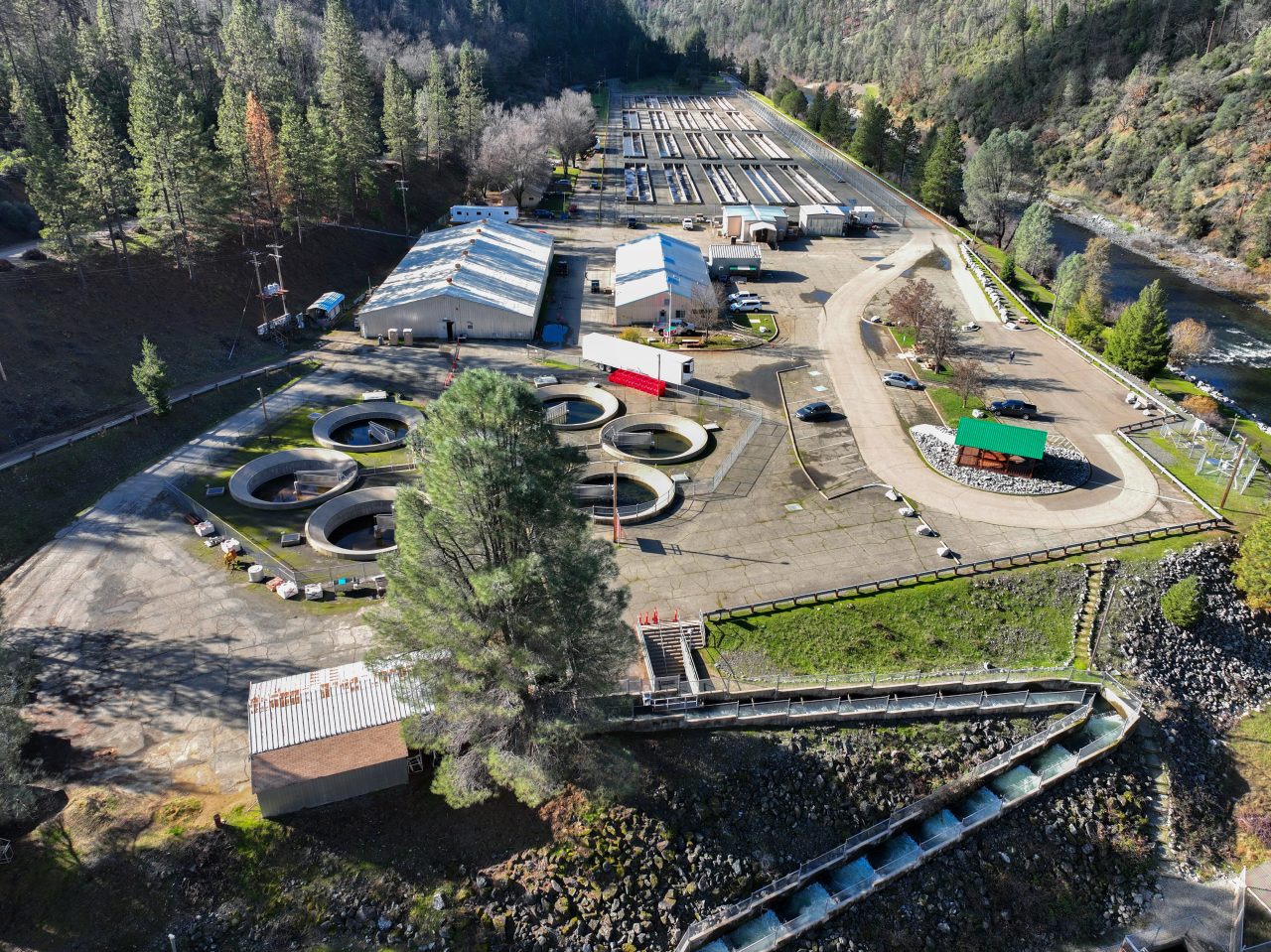
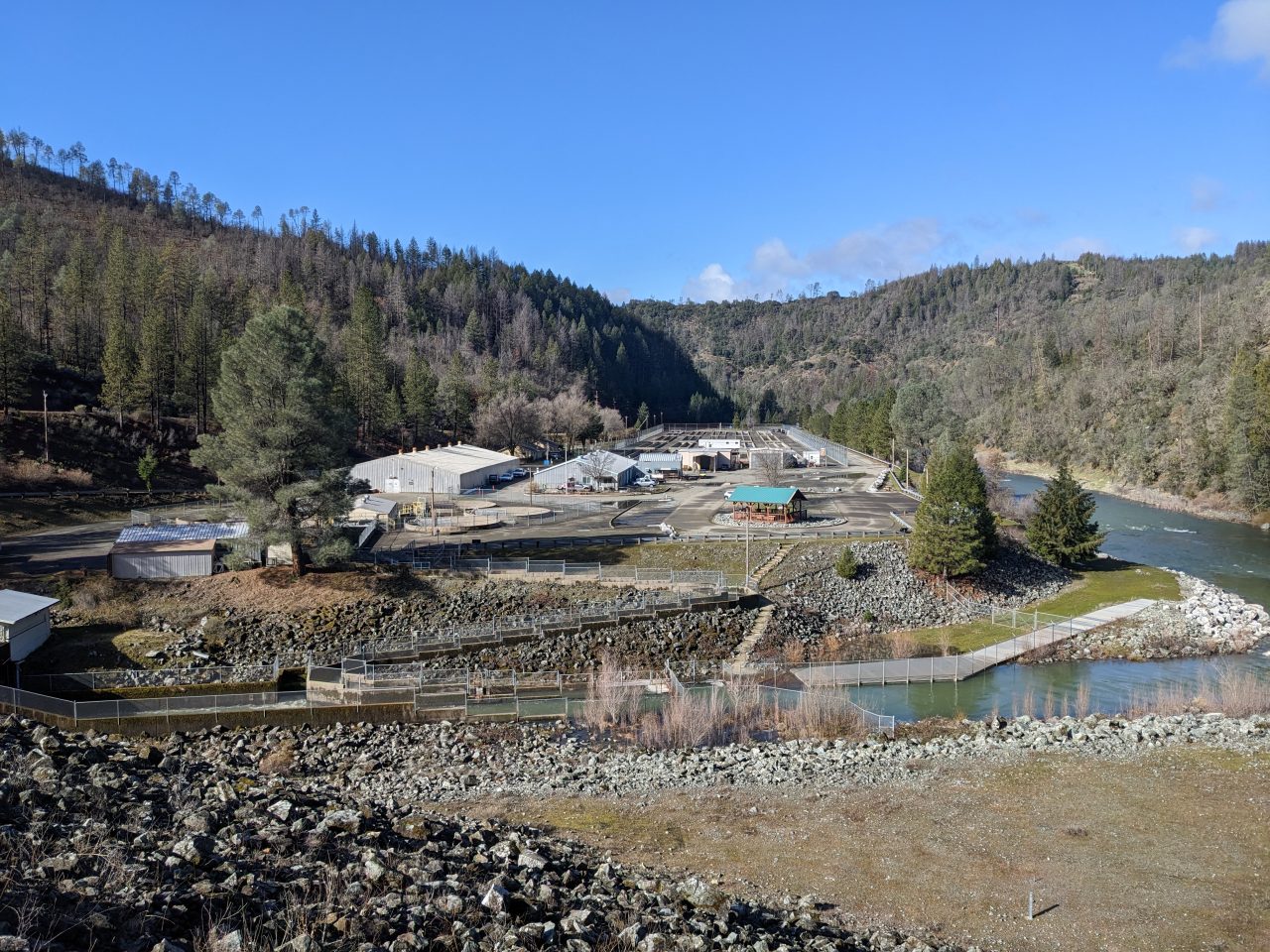
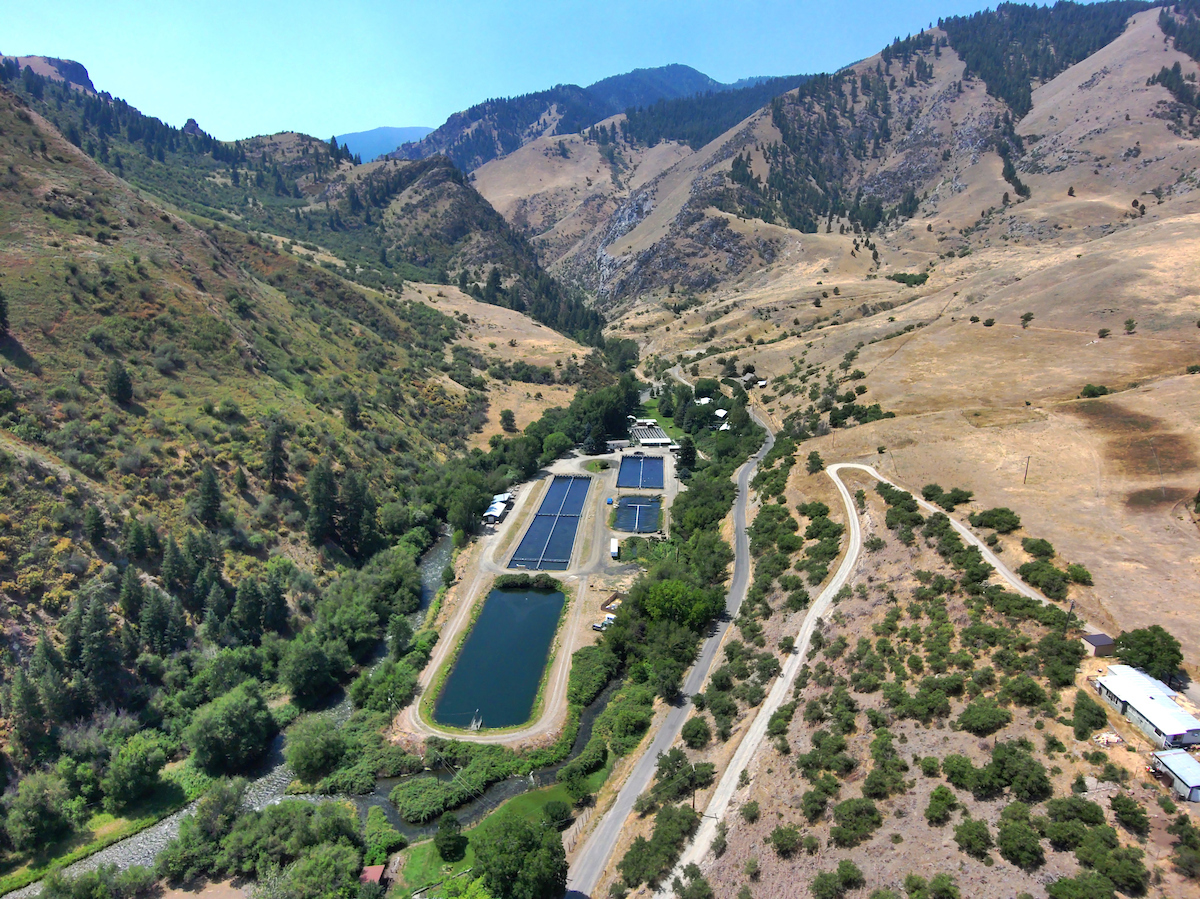
Now, more than 60 years later, much of the original infrastructure has reached or exceeded its useful life. At the same time, biological criteria for raising fish, operational practices, and production needs have continued to evolve, creating new demands that these older facilities were not designed to meet.
Schnabel’s work is focused on repairing failed infrastructure, modernizing portions of these facilities, and expanding capacity to support current and future production goals. Many of these modernization projects are focused around creating rearing spaces where eggs are incubated and fish begin their earliest stages of life.
Designing for the Earliest Stages of Life
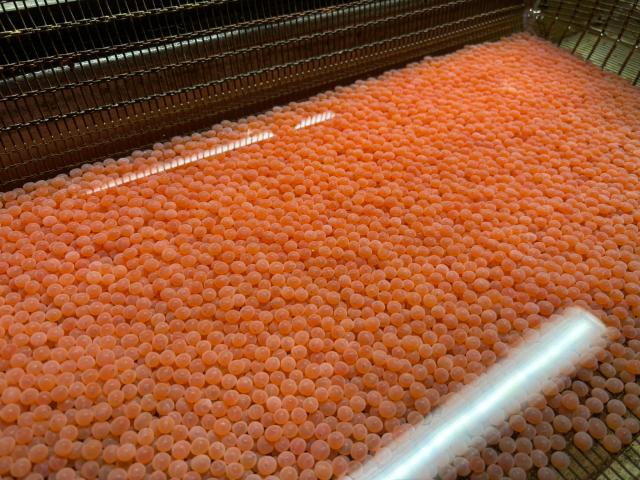
After salmon eggs are collected and fertilized, they undergo water hardening, an important step that helps protect the eggs as they prepare for incubation.
On a recent project in California, Ellisyn designed a new water-hardening table with a removable grate for easier cleaning and a sloped basin for drainage.
“This was my first significant design project where I really had the opportunity to incorporate my own ideas while responding to the needs of the hatchery staff,” Ellisyn said.
Her work on the incubation system presented an even more unusual challenge.
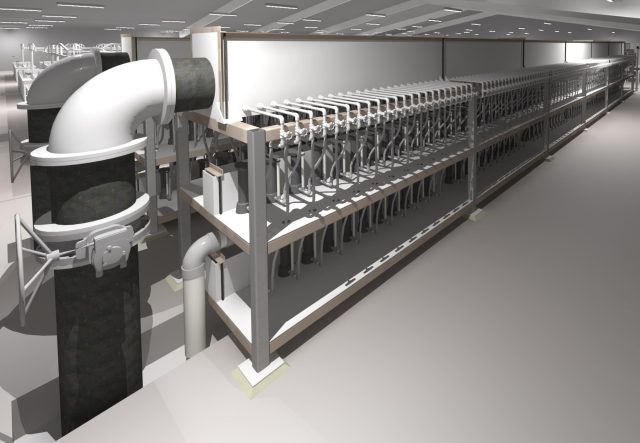
This particular hatchery had previously used a combination of heath stack incubators and jar incubators, but the hatchery staff have experienced improved survival rates with jar incubators in recent years and wanted to expand their use. That created an opportunity for Schnabel to rethink how incubation could work at a much larger scale.
In one recent project, Ellisyn was tasked with building on the hatchery’s success with jar incubators. The challenge was to scale the approach into a system that could meet larger production needs while remaining practical for staff to operate.
“To our knowledge, there isn’t another stacked jar bank system designed at this scale,” Ellisyn said. “The design required us to think differently about how jar incubation could be applied at a much larger scale.”
HEATH STACKS VS. JAR INCUBATION
- Heath stack incubators hold eggs in shallow, vertically stacked trays, with water flowing from the top tray down through the stack.
- Jar incubators hold eggs in vertical vessels while clean water flows upward through them, supplying oxygen and gently keeping the eggs suspended.
Refining the Jar Bank Design
The jar bank system has already evolved significantly as the project has progressed.
At the 30% design milestone, Schnabel proposed three banks capable of accommodating multiple jar sizes. Feedback from hatchery staff, along with a reduced building footprint, prompted the team to rethink the layout and improve the system in several key ways:
- Improved biosecurity: Separation between Chinook and coho eggs helps reduce the risk of disease transmission during a particularly vulnerable life stage.
- Better equipment protection: Moving the piping to the interior of the jar-bank structure improved day-to-day operations while reducing the risk of accidental damage.
- More efficient use of space: The revised design includes four jar banks and a new orientation to work within a smaller overall footprint.
- Maintained flexibility: The system continues to accommodate the different jar sizes needed for coho and Chinook salmon
“The feedback from hatchery staff pushed the design beyond our initial concept and led to meaningful improvements in how the system functions,” Ellisyn said. “The redesign allows the hatchery to meet its production goals while improving biosecurity and protecting the eggs.”
For Ellisyn, the experience reinforced that strong engineering is inherently collaborative, with the best designs shaped through ongoing dialogue with clients and users as new information and project needs emerge.
Supporting Salmon and the Ecosystems That Depend on Them
Conservation hatcheries support salmonid populations that are important to regional ecosystems, fisheries, food systems, and cultural traditions.
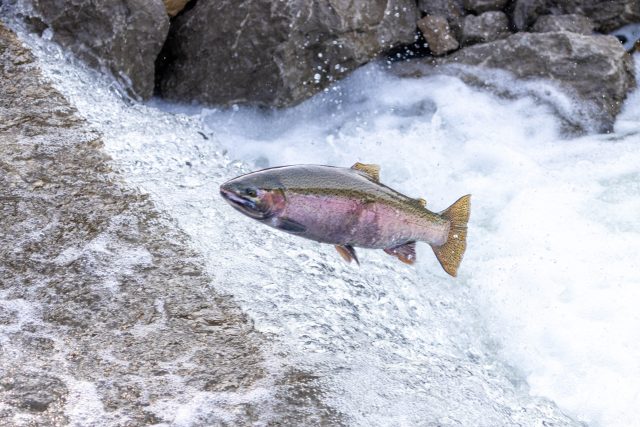
Salmon and steelhead are considered keystone species because they play an outsized role in the ecosystems around them. They support wildlife, connect marine and freshwater environments, and return nutrients inland when they migrate back to spawn.
“The more you learn about salmon, the more you realize how connected they are to the entire ecosystem,” Ellisyn said. “Being able to work on infrastructure that supports those populations makes the engineering especially meaningful to me.”
Hatcheries also play an important educational role, giving visitors a firsthand look at salmon conservation and helping build greater understanding of the efforts required to sustain these populations for future generations.
The more you learn about salmon, the more you realize how connected they are to the entire ecosystem. Being able to work on infrastructure that supports these populations makes the engineering especially meaningful to me.
Ellisyn Heitz
Shaping Her Approach to Engineering
The hatchery modernization work has become a formative part of Ellisyn’s early career, giving her the opportunity to take on increasingly complex design responsibilities, develop detailed 3D models in Revit, and coordinate with a multidisciplinary project team.
The experience has also changed the way she thinks about the design process itself.
“Before working on projects of this scale, I didn’t fully appreciate how much a design can evolve,” Ellisyn said. “Each round of coordination and client feedback brings new considerations that help shape the final approach.”
That process has deepened her appreciation for flexibility, collaboration, and iterative problem-solving.
“I’m excited to see what additional skills I gain as the project continues,” she said. “It will be interesting to look back at where the design is today and see how much both the project and I have developed by the time it is complete.”
For Ellisyn, hatchery engineering represents more than an early-career opportunity. It connects a long-standing passion for salmon conservation with the challenge of solving complex problems where biology, infrastructure, and operations intersect. Her hatchery work is already shaping how she approaches engineering, and the lessons she is gaining will continue to influence her work throughout her career.
Learn More About Schnabel’s Hatchery Engineering Services
Schnabel’s fisheries engineering team provides planning and design services for fish hatcheries, from facility modernization and expansion to specialized incubation, rearing, and water treatment systems. Learn more.
Interested in learning more or discussing an upcoming project? Explore Schnabel’s fisheries engineering services or connect with Bryant Charlo, Schnabel’s Hatchery Practice Leader, who brings more than a decade of experience leading aquaculture projects from initial planning through design and construction.